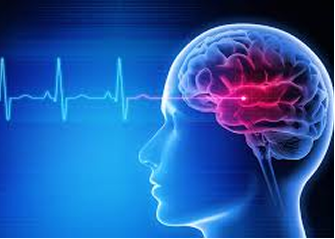
A stroke is a medical emergency where every minute counts. Recognizing the early warning signs can save a life and prevent long-term disability. Prompt treatment can significantly improve outcomes.
Common Early Signs of Stroke
The easiest way to remember stroke symptoms is the FAST method:
F - Face drooping: One side of the face may droop or feel numb. Ask the person to smile—does it appear uneven?
A - Arm weakness: One arm may feel weak or numb. Ask them to raise both arms—does one drift downward?
S - Speech difficulty: Speech may be slurred, confused, or difficult to understand.
T - Time to act: If you notice any of these signs, seek emergency medical help immediately.
Other Warning Signs
In addition to FAST, watch for:
Sudden weakness or numbness on one side of the body
Sudden confusion or difficulty understanding speech
Sudden trouble seeing in one or both eyes
Sudden dizziness, loss of balance, or coordination
Sudden severe headache with no known cause
Why Immediate Action Matters
A stroke can be caused by a blockage (ischemic stroke) or bleeding in the brain (hemorrhagic stroke). Early treatment—especially within the first few hours—can:
Reduce brain damage
Improve recovery
Save lives
Who Is at Risk?
Common risk factors include:
High blood pressure
Diabetes
High cholesterol
Smoking
Heart disease
Sedentary lifestyle
What Should You Do?
Do not wait for symptoms to improve
Do not give food, drink, or medication
Call emergency services immediately
Note the time symptoms started
Take-Home Message
Stroke is preventable and treatable—but only if recognized early. Awareness of symptoms and quick action can make the difference between recovery and disability.